
Economic Growth
Amazon Evaluates Adams County for New Data Center Investment
A transformative technology project bringing jobs, investment, and long-term economic growth.
Project Overview
Investing in the Future
A new Amazon data center investment in Adams County represents an important step forward for the region’s economic growth and long-term competitiveness.
This project builds on Adams County’s strengths, including a skilled workforce, strong transportation access, and a collaborative local leadership environment. This investment is expected to support high-quality jobs, create new opportunities for local contractors and suppliers, and generate sustained public revenue that can be reinvested in schools, public safety, and essential community infrastructure.
Equally important, the project reflects a shared focus on responsible development. Amazon will work within established local processes and coordinate closely with utilities and local partners to ensure the facility is thoughtfully integrated into the community. The company will fund the energy and infrastructure required to support its operations while contributing to long-term grid reliability and sustainability efforts in the region.
This investment underscores Adams County’s role as a place where innovative industries can grow while respecting local priorities. As the community continues to evolve, the arrival of an Amazon data center signals confidence in the region’s future and reinforces its position as a hub for modern infrastructure and economic opportunity.

Project Overview
A Major Investment for Adams County
These opportunities include data center engineers, network specialists, operations managers, and security specialists, while sustaining thousands more jobs in construction and the supply chain across the Buckeye State.
The Numbers
500
New Data Center Jobs
$10B
Investment
What is a Data Center?
Our modern lives leverage numerous technological innovations to bring ease and accessibility to our day to day. Data centers are a key enabling component of this, providing technology services that build out these capabilities. Amazon’s data centers help serve millions of active customers: they keep your information safe and instantly available, powering everything from texts and streaming to school lessons, banking, and even hospital care to better help patients.
- Parents stream different Netflix shows while children play online games
- Smart home devices (thermostats, security cameras, baby monitors) connect to cloud servers
- School assignments submitted through learning management systems
- Accesses course materials and submit assignments through university platforms
- Orders food delivery through apps
- Uses social media platforms
- Video calls with children and grandchildren
- Online banking and bill payments
- Medical portal access for healthcare records and appointments
- Improve situational awareness and real-time decision-making during emergencies
- Help dispatchers analyze live traffic, road conditions, and hazards
- Suggest faster and safer response routes
- Assist teams in prioritizing search areas to reduce response times
- Enhance responder safety by identifying potential risks on scene
- Support coordination with nonprofits and partner organizations during disaster response
- Support smarter, more efficient decision-making in crop and resource management
- Use precision agriculture tools to improve crop monitoring and yields
- Reduce chemical use through smart sprayers and targeted applications
- Monitor livestock health with AI-assisted tracking systems
- Improve water conservation through automated irrigation and demand-based watering
- Detect leaks early through smart irrigation and monitoring technology
- Provide AI-powered insights to support coaching and training decisions
- Analyze athlete performance mechanics and movement patterns
- Assist with injury prevention and recovery planning
- Support game strategy and opponent analysis
- Enhance scouting and recruiting with deeper performance data
- Provide additional analytics to complement (not replace) human evaluation
Data Center FAQs
MOST COMMON QUESTIONS
Modern life runs on data centers. Data centers make the internet as we know it possible, enabling us to send emails, place online orders, access online health records, and so much more. Companies like Netflix use Amazon’s cloud infrastructure to stream content to over 230 million subscribers worldwide, while Philips leverages Amazon data centers to process medical imaging data and AI-powered diagnostics, helping doctors detect diseases earlier and improve patient outcomes.
Data centers are secure, high-tech facilities that spur local economic growth through job creation and substantial tax revenue that helps fund schools, roads, fire departments, and other public services. Amazon designs its data centers to be highly efficient—optimizing energy use, water consumption, and operational performance to deliver maximum computing power with minimal environmental impact.
Data center construction generates thousands of construction jobs, in addition to supporting local suppliers, trades, and small businesses. In Ohio, Amazon’s data center investments supported more than 9,500 full-time equivalent jobs annually between 2015-2025. The Adams County data center campus is estimated to create at least 500 new long-term positions, including data center engineers, network specialists, operations managers, and security specialists, while supporting hundreds more jobs in construction and across the supply chain in the Buckeye State.
State utility regulations establish separate rate classes specifically to prevent cost-shifting between customer types. This regulatory protection ensures residential and small business customers won’t subsidize data center operations through higher bills. An independent study found that Amazon pays for the costs to power its data centers—these expenses aren’t added to the bills of local residents or businesses. The study also found that, in some regions, Amazon pays more than the costs needed to power their data centers, resulting in surplus revenues that utilities can use to modernize the power grid, which improves reliability for the benefit of all customers.
Amazon invests in advanced technology and engineering for industry-leading sound management across its data centers. As part of those investments, Amazon has implemented a comprehensive Acoustic Program that integrates sophisticated sound mitigation strategies throughout the entire facility lifecycle, including initial site planning, building-specific design considerations, and ongoing operational oversight. Amazon’s mitigation approach strives to reduce both low frequency and tonal sound characteristics to ensure comprehensive sound quality management. Noise mitigation measures include sound-dampening building materials and insulation, strategic placement of equipment, visual screening, and acoustic enclosures and mufflers where needed.
During the hottest days of the year, less than 3% annually for this area, the data center will use water for cooling by passing hot air through water-soaked pads, which lowers the air temperature sent to cool the servers. In this region, Amazon’s facilities use outside air for cooling approximately 97% of the year, eliminating the need for water-based cooling during those hours.
Amazon has committed to being water positive by 2030, returning more water to communities where they operate than they use in their data center operations. As part of this commitment, Amazon has supported The Nature Conservancy and others to restore 11 acres of wetlands in Ohio. The project is expected to filter25 million gallons of water each year.
The water that will serve the data center’s cooling needs will come from the Ohio River. Projected use will be around 19.7 million gallons per year.
- This represents less than 0.0001% of the Ohio River’s annual flow—approximately one gallon for every one million gallons flowing in the river.
- This is less than the annual use of 181 single-family households or less than one typical golf course in the U.S.
Not because of this project. Water rates are set by the Adams County Regional Water District (ACRWD). Amazon’s data center will use two water sources: river water for cooling purposes, and utility water from ACRWD for domestic needs such as restrooms, break rooms, and drinking fountains. Domestic water use will be a maximum of 40,000 gallons per day (GPD), which represents only 0.75% of ACRWD’s existing capacity.
Any domestic water utilized by Amazon’s data center project will come from ACRWD’s existing surplus capacity, which will generate additional revenue for the water and sewer systems without requiring any new investment from ACRWD. Any water or sewer infrastructure improvements required by this project will be funded by Amazon, not by existing ratepayers.
Any water discharged from the development will follow applicable utility and/or clean water regulatory standards and approvals. Amazon uses standard industry practices commonly employed at water treatment facilities to meet all local, state, and federal regulations under approved, permitted uses.
Typically, the only chemicals introduced in the data center’s operations is disinfectant (chlorine), which will be applied at levels well below those commonly found in drinking water systems. Any use of such chemicals will be compliant with applicable state and local regulations.
ABOUT THIS PROJECT
Amazon is making a significant long-term commitment to Adams County with at least $10 billion in planned investment. This project is expected to generate tens of millions in new tax revenue for Adams County and the surrounding region, providing sustainable funding for essential services, local schools, and infrastructure. The land where these data centers are proposed to be built currently generates approximately $18,000 in annual tax revenue. The economic effects will strengthen the local economy through job creation, increased business activity, and new opportunities for local contractors and service providers.
Amazon data centers are built for long-term operation and are designed to serve customers for over 10 years. The jobs created by Amazon data centers are long-term positions and represent a sustained commitment to the communities where they operate. These facilities are continuously maintained, upgraded, and modernized to meet evolving customer needs and technological advances.
CAREERS
A typical data center will need people in a series of different job classifications both during the construction and operation phases, including plumbers, pipe fitters, electricians, project engineers, fiber splicers, fiber techs, directional drill operators, line workers, engineer technicians, control technicians, data center technicians, and operations technicians, among others. Amazon collaborates with organizations in Ohio to deliver skills-based training to help workers enter data center-related careers. Amazon also offers several workforce development programs in Ohio, including the Data Center Technician Program with Columbus State Community College and the Information Infrastructure Pre-Apprenticeship at Tolles Career and Technical Center.
You can search for open data center positions on Amazon’s website.
Amazon collaborates with organizations in Ohio to deliver skills-based training to help workers enter data center-related careers. Amazon’s partnership with Columbus State Community College established the Data Center Technician Training Program and has funded $50,000 in scholarships over the past two years for students in the program.
Amazon also selected Ohio to pilot an educator-focused AWS Internet Infrastructure Workshop (I2W) to help build awareness of careers related to cloud infrastructure—namely, jobs involved with building, connecting, operating and powering data centers. In 2024, Amazon launched the Information Infrastructure Pre-Apprenticeship (I2PA) program, in collaboration with local schools and national partners. This four-week program teaches cloud infrastructure skills from industry experts. This initiative helps participants secure job offers by making introductions to employers actively hiring for in-demand technical jobs in Ohio.
CONSTRUCTION
The general contractor for this site has not yet been determined. Amazon is conducting due diligence and is in discussions about long-term building and operating plans. Updates will be made to this page as appropriate. Initial earthwork is expected to begin in 2026.
SITE INFORMATION
Amazon’s backup generators are designed and operated to minimize noise impacts on neighbors. Amazon generators run very infrequently — approximately 10 hours per year — mostly for brief tests to ensure they are ready and reliable when needed during rare emergencies. All testing must meet local noise and permit requirements. This careful approach keeps facilities prepared for emergencies while minimizing any potential disruption to the community.
Amazon’s project and operational standards are designed to avoid introducing meaningful additional noise impacts beyond what already exists in this environment.
To support this data center project, Amazon will fund a comprehensive set of infrastructure improvements that benefit both the project and the broader community. Amazon will pay identified costs required to design and build these improvements, ensuring no financial burden is placed on local taxpayers. Adams County and Amazon will formalize these commitments — including each party’s roles and responsibilities — through a development agreement, providing a clear and legally binding framework for delivery of the infrastructure. These investments are designed to serve not only the data center campus but also to strengthen the community’s long-term roadway infrastructure.
Amazon data center projects comply with all federal, state, and local environmental regulations, including those related to air quality, water usage, stormwater management, noise levels, and emissions. Environmental standards are enforced through multiple layers of oversight, including permitting processes with state and local environmental agencies, ongoing monitoring and reporting requirements, and regular inspections. Amazon works closely with regulatory agencies throughout the planning, construction, and operational phases to ensure full compliance with all applicable environmental and public health standards.
Amazon’s data center is designed and constructed in compliance with all applicable stormwater runoff requirements. Amazon will build stormwater management facilities such as ponds and outfalls to offset any changes in the landscape from data center development. These stormwater plans meet state and local requirements to protect water quality and water quantity. Amazon’s contractors also use temporary controls and Best Management Practices during construction to reduce erosion on the site and safeguard local water resources.
Data centers store limited quantities of materials needed for operations, such as diesel fuel for backup generators and batteries for uninterruptible power supplies. All hazardous materials are stored in full compliance with federal, state, and local regulations, with proper containment systems and multiple layers of spill prevention measures in place. Amazon maintains comprehensive emergency response plans at each facility and conduct regular training to ensure safe handling and storage. These protective measures are designed to minimize any risk to the community and environment. In addition, Amazon uses partners certified in waste disposal to ensure that materials are recycled, or disposed of, in accordance with applicable requirements.
UTILITIES
The local utility AES Ohio will service this site. Amazon will fund, build, own, and operate a substation on the campus to power the facility, while also funding transmission upgrades that benefit the local community.
The utility plans for its load and is required to maintain a regulated reliability buffer. Prior to serving the load, both the utility and PJM will study and ensure that the load can be served reliably. Amazon works in close collaboration with AES OH and PJM Interconnection to maintain reliability and resiliency across the system. The company also works with utilities to bring new, carbon-free energy projects to the grid. In Ohio, Amazon has invested in 24 wind and solar projects totaling 2.7 gigawatts of capacity — enough to power more than 520,000 U.S. homes.
Once operational, Amazon will significantly increase the overall tax base. However, specific tax rate decisions are made by the Adams County Board of Commissioners based on the county’s budgetary needs and priorities.

Amazon data centers aren’t raising your electricity bills. Here’s the data!
Research found that Amazon fully pays for its own electricity costs to power its data centers.


















Want To Learn Even More?
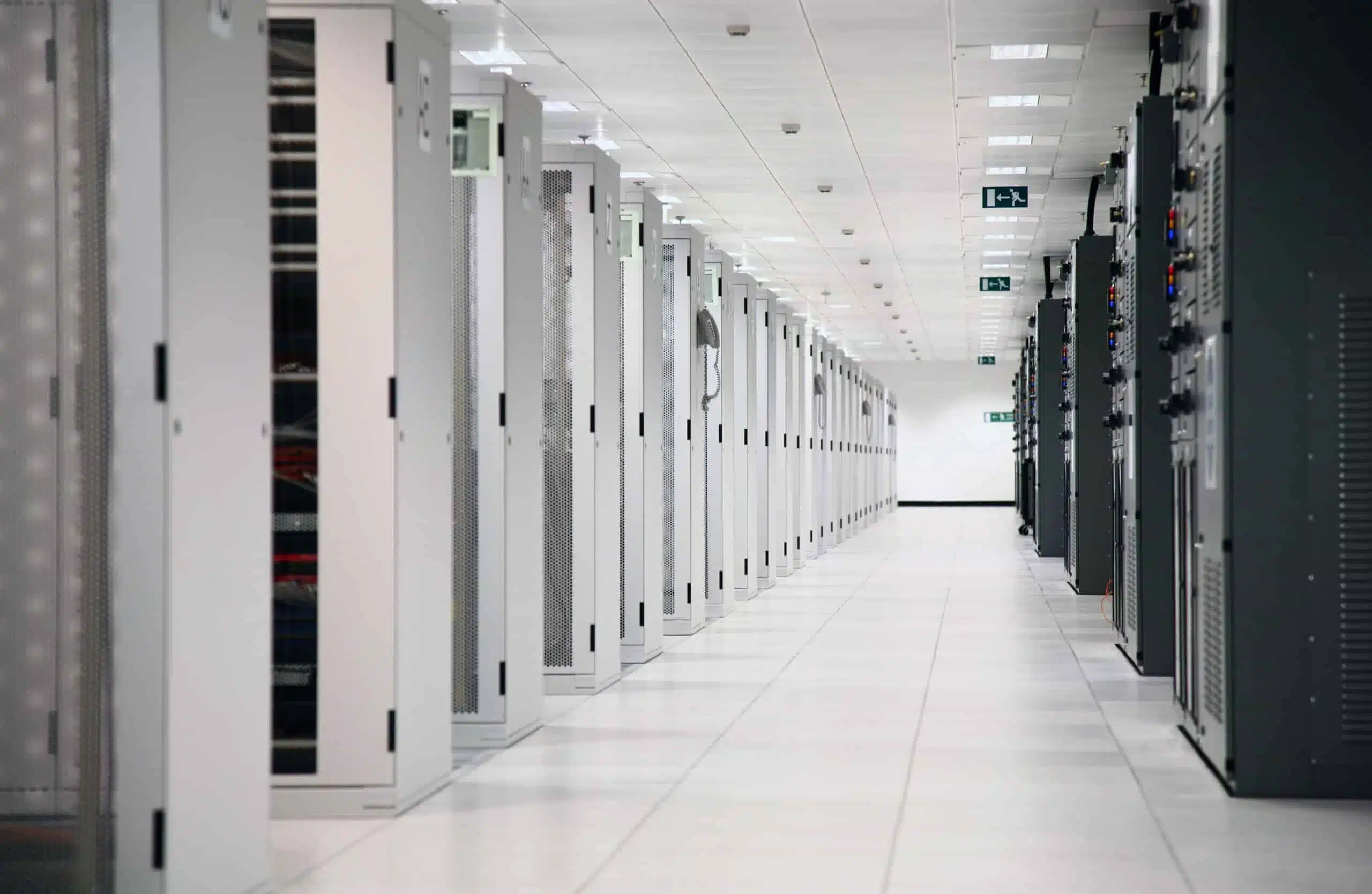
Inside a Data Center:
Discover the people and tech driving Amazon Data Center data centers across the U.S.

Amazon Economic Investment:
See how Amazon’s investments are shaping local economies nationwide
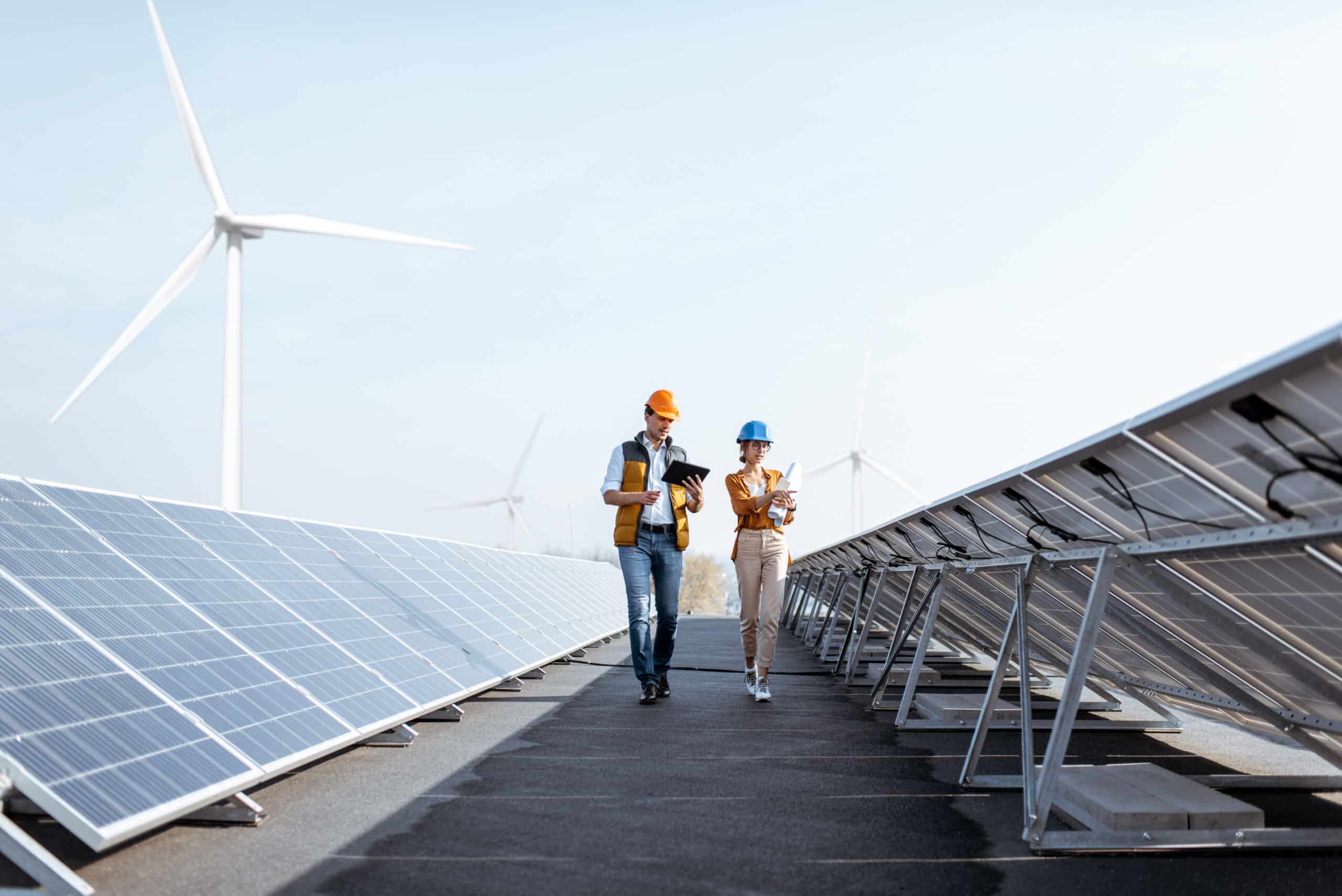
Renewable Energy:
Explore how Amazon’s renewable energy investments are making a global impact
News & Updates
Check Back Later